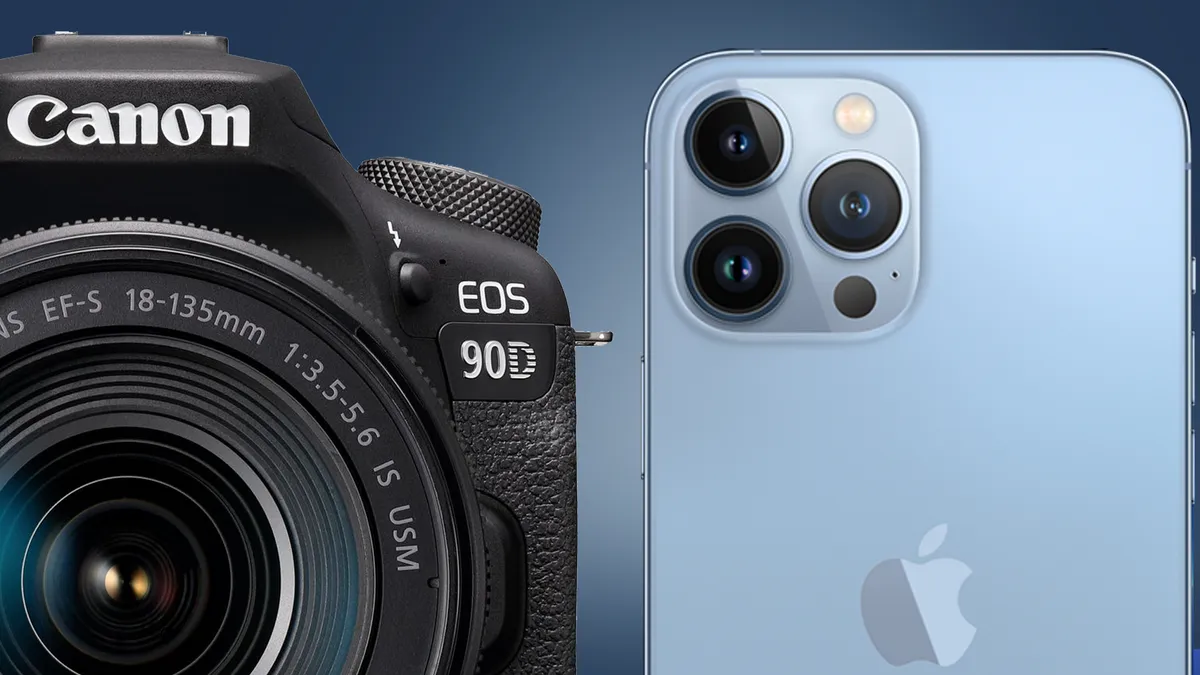
The digital camera, once a revolutionary piece of technology that democratized photography, has become increasingly irrelevant in modern life. What was once an essential device for capturing memories now gathers dust in drawers, replaced by the smartphone that lives perpetually in our pockets. This shift represents more than a simple technological upgrade—it marks a fundamental transformation in how we create, share, and even conceptualize visual content.
The Smartphone Advantage: Convenience Meets Capability
The most obvious reason for the digital camera’s decline is the smartphone’s unmatched convenience. A dedicated camera requires planning, carrying, and remembering to charge yet another device. In contrast, smartphones are always present, always charged, and always ready. This accessibility has transformed photography from a deliberate act into a spontaneous reflex, capturing moments that would have been lost in the seconds it took to retrieve a separate camera.
Modern smartphone cameras have also achieved technical parity with consumer-grade digital cameras in most practical scenarios. Computational photography—the use of software algorithms to enhance images—has allowed phones to overcome their physical limitations. Features like night mode, portrait mode with artificial bokeh, and HDR processing produce results that once required expensive lenses and professional knowledge. The gap between smartphone and dedicated camera quality has narrowed to the point of irrelevance for the average user.
The App Ecosystem: Photography Reimagined
Smartphones don’t just capture photos—they’ve created an entire ecosystem around visual content. Thousands of photography apps offer instant editing capabilities that would have required desktop software and hours of learning. Filters, adjustments, and enhancements happen in seconds, transforming amateur snapshots into polished images. Apps like VSCO, Snapseed, and Lightroom Mobile put professional-grade tools at everyone’s fingertips, eliminating the learning curve that made traditional photography intimidating.
These apps also introduce creative possibilities that traditional cameras never offered. Real-time filters, augmented reality effects, and AI-powered enhancements allow users to experiment and iterate instantly. The feedback loop is immediate—shoot, edit, review, and reshoot within seconds. This rapid iteration accelerates learning and creativity in ways that film or even early digital cameras never could.
construction surety bond company
Florida performance bond provider
Florida bid bond provider Florida
Social Media Integration: The Death Knell
Perhaps the most decisive factor in the digital camera’s obsolescence is social media integration. Photography today is fundamentally social. We don’t just take photos; we share them, receive feedback, and participate in visual conversations. Smartphones make this seamless. A photo taken at dinner can be edited, posted, and generating likes before dessert arrives.
Digital cameras, in contrast, create friction at every step. Photos must be transferred to a computer or phone, then uploaded to social platforms. This multi-step process feels archaic in an era of instant gratification. The delay disrupts the social momentum of sharing—by the time a photo from a traditional camera reaches Instagram, the moment has passed and engagement suffers.
Social platforms themselves are optimized for smartphone content. Instagram’s filters, TikTok’s effects, and Snapchat’s lenses are designed for in-app creation. They assume and require smartphone integration. Using a digital camera in this ecosystem is like bringing a typewriter to a Google Docs collaboration—technically possible but missing the point entirely.
AI Image Generation: Questioning Photography Itself
The rise of AI image generation represents an even more radical challenge to traditional photography. Tools like DALL-E, Midjourney, and Stable Diffusion can create photorealistic images from text descriptions in seconds. Need a sunset over mountains for a presentation? Don’t grab a camera—just describe what you want and let AI generate it.
This technology doesn’t just compete with cameras; it questions the need for capturing reality at all. Why travel to photograph a landmark when AI can generate a perfect version in any style or lighting condition? For commercial purposes, stock photography increasingly competes with AI-generated alternatives that are cheaper, faster, and infinitely customizable. The act of physically capturing light through a lens feels unnecessarily constrained when algorithms can simply imagine and render any scene.
AI tools also democratize visual creation beyond photography’s traditional limits. Those without photographic skill or access to interesting locations can now create compelling imagery. The barrier to entry has collapsed—no camera, no training, no travel required. Just imagination and a text prompt.
The Niche Survival of Dedicated Cameras
To be clear, digital cameras haven’t completely disappeared. Professional photographers and serious enthusiasts still value the superior image quality, manual controls, and specialized lenses that dedicated cameras offer. For certain applications—wildlife photography, professional portraiture, commercial work—cameras remain superior tools.
But these use cases represent a shrinking niche. The average person has no need for interchangeable lenses, RAW file formats, or the technical knowledge required to maximize a camera’s potential. For the vast majority of humanity, the question isn’t whether their smartphone camera is good enough—it’s why they would ever need anything more.
The digital camera’s transformation from essential tool to optional specialty equipment mirrors broader technological trends. Devices that do one thing well lose to devices that do many things adequately while offering seamless integration with our digital lives. Add AI’s ability to create images without cameras at all, and the traditional concept of photography faces an existential challenge.
The camera isn’t entirely dead, but it’s no longer relevant to how most people create and share visual content. It’s become a relic—not because it stopped working, but because the world moved on to something fundamentally different. In the smartphone era, enhanced by AI, the camera survives only in the margins, a specialized tool for those few who still value what it uniquely offers.